Over coffee recently, filmmaker Joshua Steen and I found ourselves diving deep into a fascinating cultural phenomenon that’s been quietly reshaping how we perceive creativity, brands, and meaning itself. We’re witnessing a profound shift—a growing resistance to polished perfection that’s transforming communication across generations.
The Aesthetic of Intentional Imperfection
What we’re seeing is more than just a trend—it’s a cultural revolt. The newest generation is pushing back against the hyper-curated, algorithm-optimized content that has dominated digital spaces. Slop, rough edges, and deliberately “unfinished” work are no longer signs of laziness or incompetence. They’ve become a sophisticated language of their own.
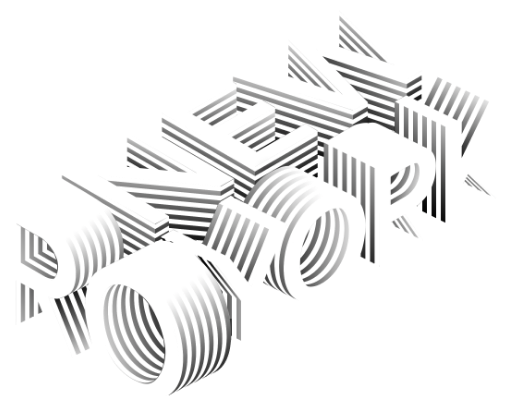
Consider the emerging visual dialect: awkward typography that deliberately breaks design rules, video edits that feel raw and unpolished, content that seems to deliberately thumb its nose at conventional aesthetics. This isn’t accidental—it’s intentional. These creators are saying, “I know the rules so well that I can choose to break them.”
The Psychology of Anti-Polish
This movement runs deeper than surface-level rebellion. It’s a nuanced response to decades of manufactured authenticity. Growing up saturated with branded content, this generation has developed an almost supernatural ability to detect inauthenticity. Perfection now reads as suspicious. High production values trigger immediate skepticism.
The parallels with social behavior are striking. Just as digital communication has normalized “ghosting”—where connections can vanish without explanation or obligation—creative output is embracing a similar ethos of impermanence and detachment. No explanation needed. No apologies required.
Luxury’s Critical Moment
For brands, especially luxury markets, this represents both a challenge and an opportunity. Traditional luxury has been built on precision, perfection, and carefully crafted narratives. But what happens when your target audience inherently distrusts those very qualities?
The smart move isn’t to resist this shift but to understand its underlying signals. Data can tell you what’s happening, but genuine cultural insight reveals why it matters. This isn’t about abandoning meaning—it’s about reimagining how meaning is constructed and communicated.
Decoding the Signal in the Noise
Luxury brands must recognize that “bad” is no longer just bad. It’s a deliberate aesthetic choice, a form of communication that speaks volumes about authenticity, agency, and cultural fluency. The most successful brands will be those that can decode these signals, understanding that imperfection can be a powerful form of connection.
This isn’t about creating deliberately bad work. It’s about embracing a more nuanced, less controlled approach to brand storytelling. It’s about showing your work, revealing the process, and being comfortable with vulnerability.
The Future of Meaning
As branding tools become increasingly democratized and AI accelerates content creation, the real value will lie in understanding the why behind the what. Anyone can create content now. But true connection comes from those who can read the cultural currents and speak their language.
The rise of “bad.” is a reminder that meaning is not imposed—it’s negotiated. In a world of increasing digital noise, sometimes the most powerful statement is the one that refuses to conform.